
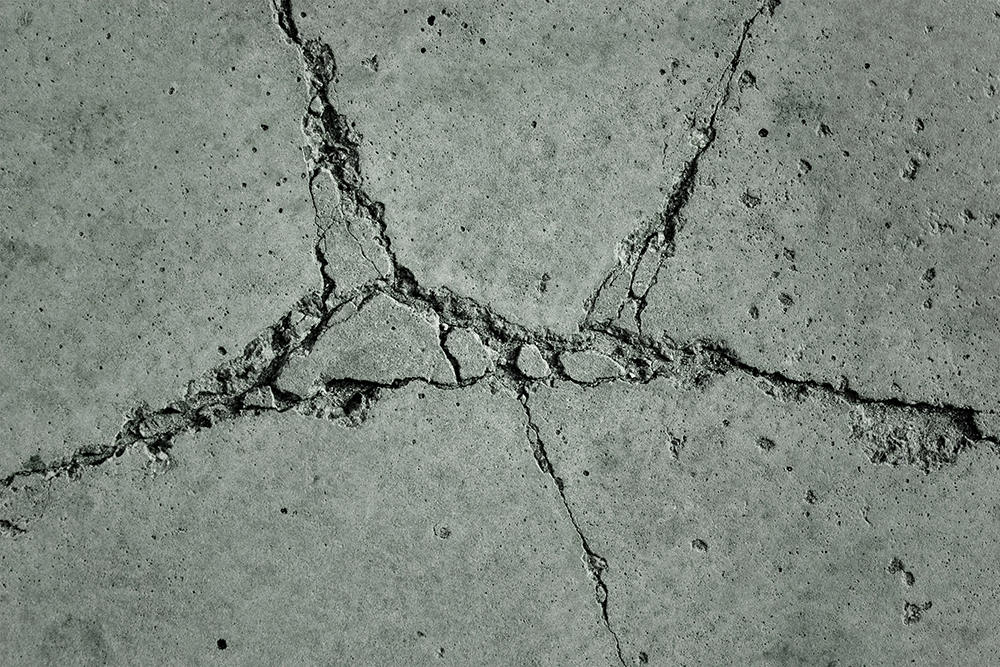
Your home's foundation is its backbone, providing the stability and support it needs to stand strong. So, when you notice cracks in your slab foundation, it's natural to be concerned. Are these just minor cosmetic flaws, or do they signal a serious structural issue?
The truth is that not all foundation cracks are created equal. Some are harmless, while others can indicate significant problems that require immediate attention. In this guide, we'll break down the common causes of slab foundation cracks, help you identify which ones are normal and which require professional slab foundation repair, and explain why early action can protect your home's long-term structural integrity.
What Is a Slab Foundation?
A slab foundation is one of the most common types of foundations for homes. Unlike pier and beam foundations, which have a crawl space beneath them, slab foundations are a single, thick layer of concrete poured directly onto the soil. This solid base provides a stable platform for the home, distributing its weight evenly and reducing the risk of shifting.
Why Are Slab Foundations Common?
Homebuilders favor slab foundations because they are cost-effective to install, low maintenance with no crawl space or basement, and efficient for warmer climates with little risk of deep ground freezing.
How Environmental Factors Affect Slab Foundations
While slab foundations are durable, several environmental factors can impact their stability. Soil type matters most: expansive clay soil swells when wet and shrinks when dry, putting stress on the foundation and leading to cracks or uneven settling. Texas experiences alternating periods of rainfall and drought, creating the perfect conditions for soil expansion and contraction. Moisture levels from heavy rain, plumbing leaks, or poor drainage can weaken the soil supporting the foundation, while prolonged drought can cause the soil to shrink and settle unevenly. Temperature changes can cause concrete slabs to expand and contract, leading to minor cracks.
Are Cracks in Slab Foundations Normal?
Many homeowners discover small cracks in their concrete slabs and wonder whether they are a normal part of a home's aging process or a sign of a serious structural issue. The key is understanding the difference between harmless cracks and those that signal foundation trouble.
Harmless Cracks: When Not to Worry
Hairline cracks (less than 1/16 of an inch wide) often appear shortly after the concrete is poured and are mostly cosmetic. Shrinkage cracks occur as concrete cures and naturally shrinks; they usually do not affect stability. Surface cracks without displacement that remain the same width are likely not a cause for concern. These minor cracks should still be monitored, and may require professional evaluation if they grow.
Serious Cracks: When to Be Concerned
Warning signs include wide cracks (1/8 inch or more) that may signal foundation movement, growing cracks that continue to widen or lengthen, cracks with displacement where one side is higher than the other, and cracks combined with other signs of foundation problems like uneven floors, sticking doors or windows, or gaps between walls and baseboards.
Visual Cues Homeowners Should Look For
Watch for stair-step cracks in brick or masonry, horizontal cracks caused by excessive pressure from shifting soil or water buildup, cracks at door and window frames, and gaps between walls and floors or ceilings.
Signs of Foundation Problems in Slab Foundations
Uneven Floors and Sloping Areas
If certain areas of your home feel slanted, bouncy, or sunken, it could mean the foundation has shifted or settled unevenly. Place a marble or small ball on the floor and see if it rolls in one direction.
Doors and Windows Sticking or Not Closing Properly
As a foundation moves, it can twist or distort the frame of doors and windows, making them difficult to open or close, and causing gaps to form around window or door frames.
Gaps in Baseboards and Walls
Gaps between your walls, ceilings, or baseboards could be a sign that your foundation is settling unevenly, causing walls to pull apart from the floor or separate at corners.
Water Damage or Moisture Buildup
Water pooling near your home's foundation or moisture buildup can lead to soil erosion and weaken the foundation's support system. Watch for water stains, mold or mildew growth, and pools of water near the foundation after rain.
Cracks Reappearing After Patching
Cracks returning after patching can signal an underlying foundation issue. If your home's structure is shifting, repaired cracks will reopen or new ones will form.
Don't Ignore Foundation Cracks
Not all cracks are a problem, but wide, growing, or uneven cracks, sticking doors, uneven floors, or moisture issues could signal serious foundation trouble. Addressing issues early prevents costly repairs and protects your home's value. Quality Foundation Repair offers free foundation inspections to assess your home's stability. Schedule yours today.