
Sinking Foundation
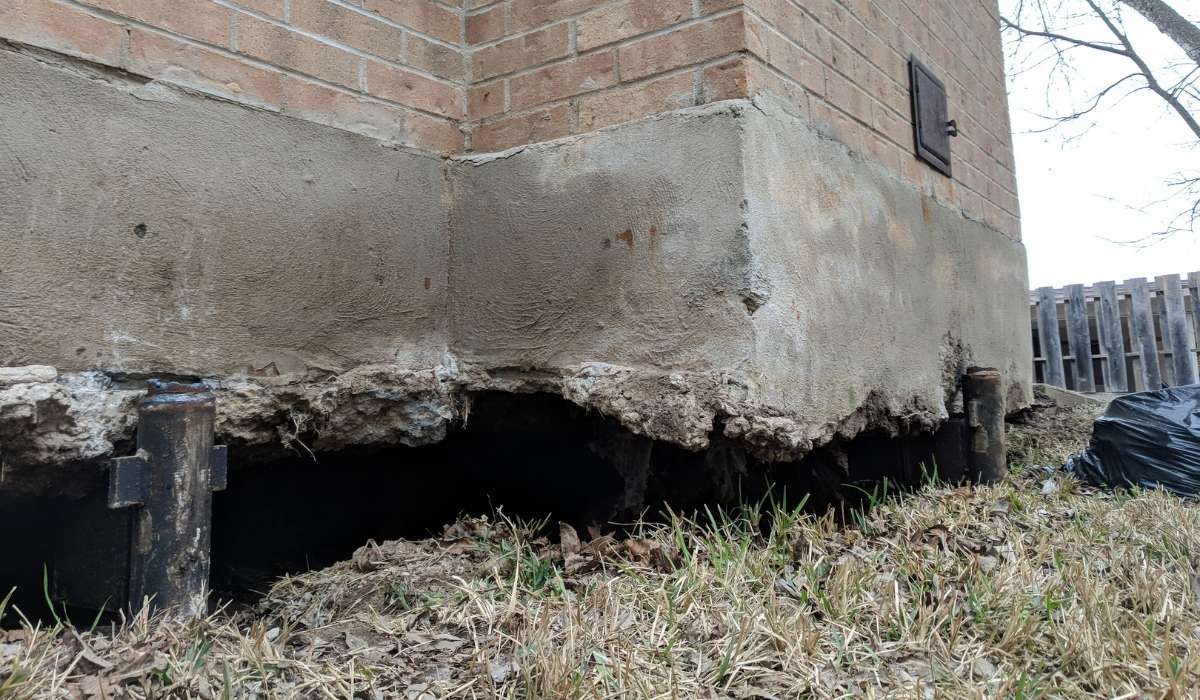
A visibly sinking or settling foundation can lead to structural damage and is a clear sign the foundation needs stabilization.
 Locally owned & operated
Sinking Foundation is one of the clearest signs Central Texas homeowners notice when a foundation is on the move. In Central Texas, the cause is usually one of two things: expansive Blackland clay swelling and shrinking under the home with every wet-dry cycle, or the moisture and drainage conditions that come with it. The specific pattern and location of what you're seeing is what tells us which one it is.
Watch for these signs it's more than cosmetic
A visible gap opening up between the foundation and the ground
One of the more visible confirmations that a section of foundation has dropped.
One side or corner of the house appears lower than the rest
Comparing corners against each other, or against old photos, can reveal gradual sinking.
New or widening cracks appearing at the same time
Cracking alongside a visible drop is a stronger signal than either sign alone.
What causes this problem?
Not every instance is foundation-related, but in Central Texas, it usually is. Here's what we rule in or out on inspection.
Soil erosion
Water running off or draining poorly near the foundation can wash away supporting soil over time.
Expansive clay soil movement
Repeated swelling and shrinking of the clay beneath the home is the leading driver of ongoing settlement here.
Poorly compacted fill soil
Homes built on inadequately compacted fill can settle as that soil consolidates under load.
Check your address for soil and flood risk factors
See the USDA soil data and FEMA flood zone for your exact Austin area parcel. No email required.
How QFR addresses this
Why Central Texas foundations move
Austin's expansive Blackland clay shrinks in dry summers and swells after rain, cycling in volume with every wet-dry season. Homes built directly on this clay across Travis, Williamson, and Hays counties face ongoing movement pressure, and that movement shows up in different places depending on the home. We diagnose the pattern before we recommend anything.
"By the time a foundation is visibly sinking at a corner, the movement usually didn't start there, it started underneath, out of sight."

The difference is in the diagnosis
Get several quotes and you'll see a wide range of prices. The gap isn't luck, it's whether the contractor finds the actual cause and stands behind the work.
Frequently asked questions
What causes a foundation to sink?
Soil erosion, poor compaction, or expansive clay movement beneath the home.
How can I tell if my foundation is sinking?
Visible gaps, sloping floors, and cracking are the main indicators.
Other signs to watch for
Get your free estimate
Tell us what you're seeing. An Austin specialist will reach out to schedule your on-site inspection, usually within one business day.
- Free, thorough on-site inspection
- Clear written plan and upfront price
- Warranty-backed and insured
Thanks!
Your free estimate request is in. We'll reach out, usually within one business day.
Prefer to talk now? Call usSomething went wrong
We couldn't send your request. Please call us instead, we're glad to help.
Call (737) 260-7340Found a problem?
Get a straight answer.
Free inspection, written estimate, honest triage, no pressure.