
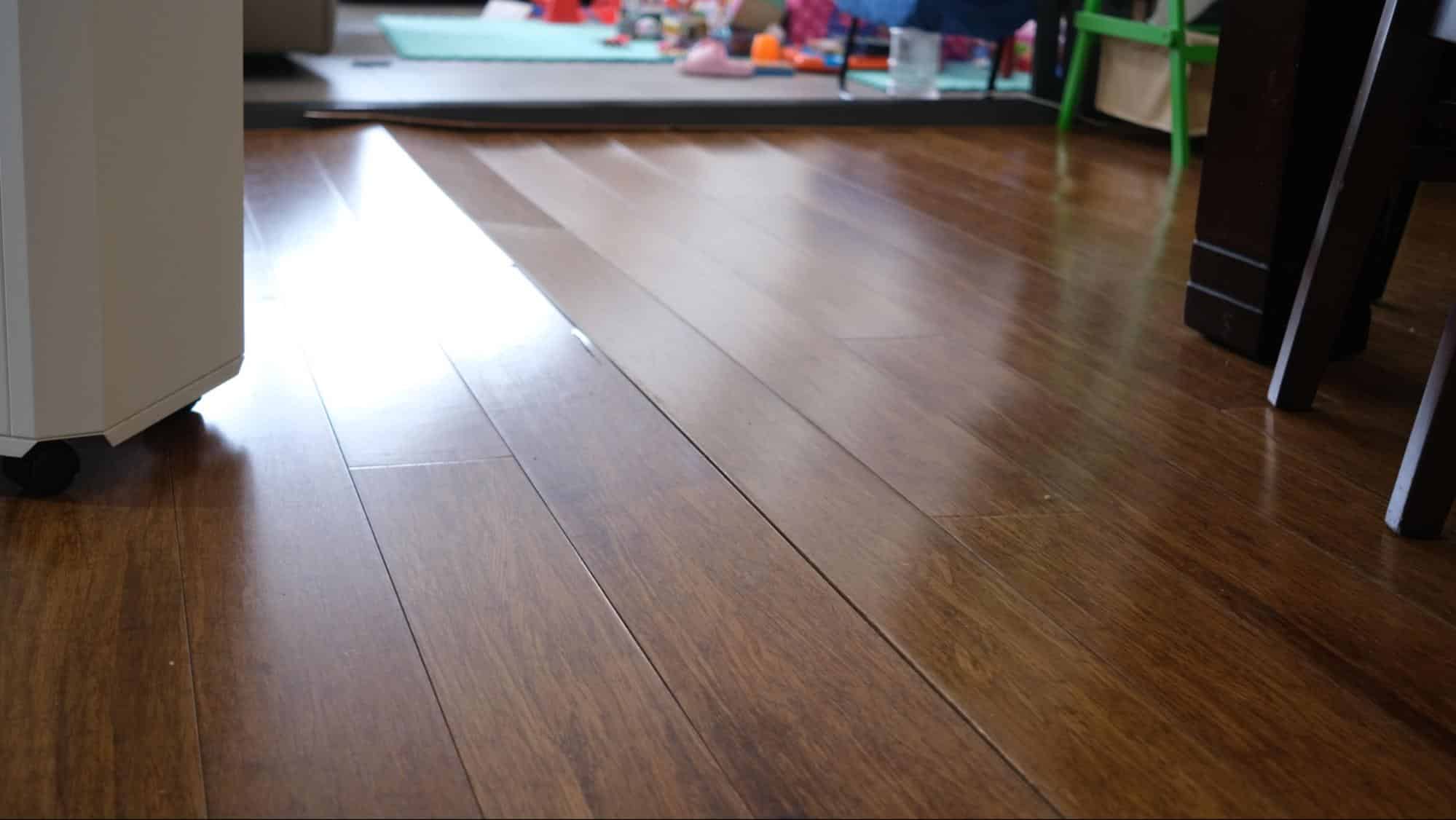
You walk into what looks like your dream home, with a charming layout and perfect location, but something feels off. The floors slope. Maybe it's subtle, or maybe you feel like you're walking uphill to reach the kitchen. It's a red flag most buyers notice but few understand.
So, should you buy a house with sagging floors? The short answer: maybe, but not without a structural inspection first. Let's explore what sagging or uneven floors mean and how they could impact your purchase, safety, and repair budget.
What Causes Floors to Sag in a Home?
If your floors feel bouncy, sloped, or uneven underfoot, it's more than just an old-house quirk, it's a warning sign. Here are the most common causes:
Floor Joist Issues
In many older homes, especially those built with pier and beam foundations, the floors are supported by wooden joists. Over time, those joists can weaken due to age, shifting soil, or termite damage. Moisture in the crawl space can accelerate wood rot, making floors feel soft, wavy, or unstable.
Crawl Space Sagging
A sagging floor often starts in the crawl space. When water collects or humidity builds up under your home, it creates ideal conditions for mold, rot, and weakened supports. The ground can soften and the wood can decay, and floors above start to dip or buckle.
Foundation Problems
Sometimes the issue is the foundation itself. If your home's base settles unevenly (differential settlement), it can pull everything out of alignment. This is especially common in areas with expansive clay soil, such as Texas, where foundations shift with seasonal moisture changes.
Water Damage or Poor Drainage
If rainwater or plumbing leaks aren't properly drained away, water can seep under the structure, eroding soil or damaging support beams and causing floors to sag. Poor drainage also invites pests and mold into your crawl space.
Is It Safe to Buy a Home With Uneven or Sloping Floors?
Feeling the floor dip beneath your feet can be unsettling, but it doesn't always mean you should walk away. The key is understanding why the floors are sloping.
Cosmetic or Structural? Know the Difference
In some older homes a slight slope may be harmless, simply the result of natural settling. But sudden dips, soft or spongy spots, and bouncy or unstable areas near walls or doorways are signs the problem may be deeper. A professional foundation inspection is the only way to know for sure.
How Much Will It Cost to Fix?
What sagging floor repairs cost depends on the foundation type, the extent of the damage, and whether the work involves leveling, new piers, or support beam replacement. At Quality Foundation Repair, you get a written, fixed-price estimate for your home after a free inspection, not a guess.
Think About Resale and Risk
Even if you're okay with uneven floors now, future buyers may not be. Homes with unresolved foundation or crawl space issues can be harder to sell and may appraise lower. If you're thinking long-term, it's usually better to address the problem head-on.
Should I Buy a House With Sagging Floors?
When It's Okay
Minor or isolated sagging, a clear and fixable cause like a weakened joist or minor moisture problem, a professional inspection confirming repairability, and negotiable purchase terms all point to a reasonable purchase.
When It's Not Okay
Extensive foundation damage across multiple areas, persistent moisture and mold issues, repair costs beyond your budget, and a seller unwilling to negotiate are all signs the risk may outweigh the benefits.
What Should You Do Before Making an Offer?
Schedule a structural inspection, not just a standard one, since a generalist may overlook what's happening beneath the surface. Get a detailed repair estimate rather than a rough guess. And if the home has a pier and beam foundation, inspect the crawl space for standing water, rotted wood, musty odors, or broken supports. Bringing in a trusted contractor before you submit an offer gives you negotiating power and peace of mind.
Can Sagging Floors Be Fixed?
Absolutely. Sagging floors are one of the most common issues we repair, and spotting them can even be a chance to negotiate a better price and then resolve the issue properly.
Adjust-A-Piers and Steel T-Brackets
For homes with crawl spaces or pier and beam foundations, we use our Adjust-A-Piers and steel T-brackets to lift and stabilize sagging areas. These adapt over time, so if your foundation shifts again (common in Texas clay soil) we can fine-tune the support without starting over.
Beam and Joist Replacement
If the wooden beams or joists have rotted, bowed, or broken, we replace or reinforce them to restore the floor's shape and stability.
Foundation Leveling
For homes with slab foundations, uneven floors often stem from differential settlement. Our crew uses proven leveling techniques to raise the affected areas and restore your foundation to its maximum practical level, safely and effectively.
Final Thoughts: Should You Still Buy That Home?
Sagging floors aren't always a deal-breaker, but they are a sign to dig deeper. With the right inspection, what looks like a big problem might turn out to be an easy fix. At Quality Foundation Repair, we uncover the truth behind uneven floors and give you honest answers. Love the house but not the floors? Let's take a closer look. Schedule your expert inspection with QFR today.