
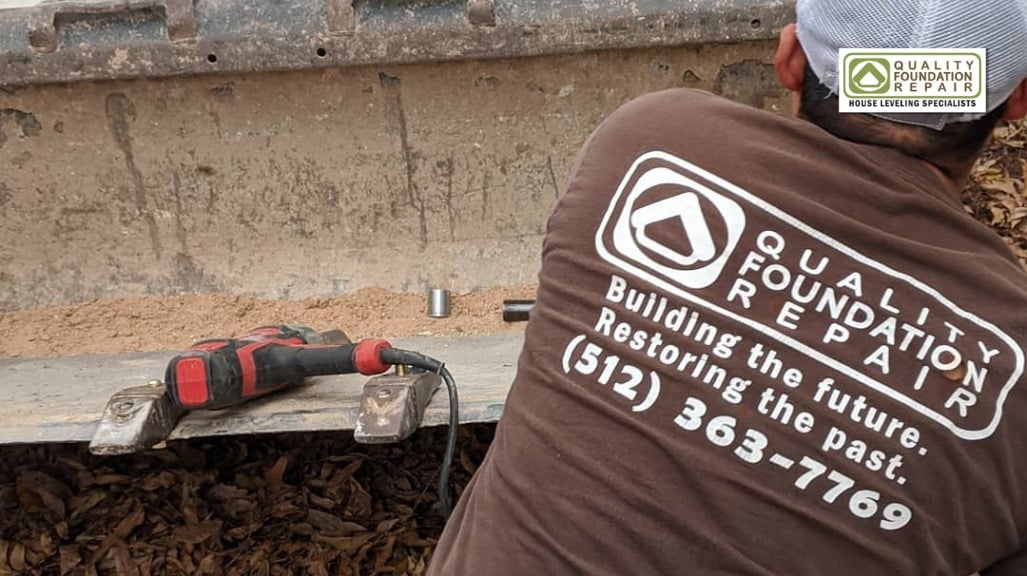
If you're considering lifting your home's foundation, there are several things to know before hiring a professional foundation repair specialist. Understanding the process, costs, benefits, and potential risks can help you make an informed decision. Keep reading to learn why you may need to lift your home's foundation, the steps involved, and how it's normally done.
What Is Foundation Lifting?
Foundation lifting is the process of physically raising part or all of a foundation. This can be done to address structural issues, prevent further damage, or improve drainage around the property. It's a common way to repair problems caused by differential settlement. The lifting process typically uses piers to slowly and carefully raise the foundation to its maximum practical level without causing damage, then stabilizes it so it stays secure.
Common Reasons for Lifting Your Home's Foundation
Several indicators can suggest the need to lift your foundation. Typically these point to an uneven foundation, and strategically lifting it in certain areas can resolve the issue. Watch for:
- Doors and windows that stop working properly: difficulty opening or closing, misalignment, or frequent sticking.
- Cracks in walls, floors, and ceilings: from small hairline fractures to large, visible gaps.
- Cracked bricks: in exterior or interior walls, which can signify foundation shifting.
- Sagging floors: drooping or uneven surfaces that can be a sign of underlying support issues.
- Gaps between walls, ceilings, floors, window jambs, and door frames: caused by settling and misalignment.
- Gutters separating from the roof: often due to structural shifting, leading to poor drainage.
How Does Foundation Lifting Work?
Foundation lifting can be understood by breaking it into simpler steps, and there are a few methods available.
Jacking and Shimming
The traditional method involves jacking up the beams where the piers are affixed. Using a precise measuring device, jacks lift and level the home. Durable steel shims are then placed to fill the spaces between the piers and beams created by the jacks. With everything in its proper place, the jacks are removed, leaving a leveled house behind.
Adjustable Steel Piers
Newer methods include Quality Foundation Repair Austin's Adjust-A-Pier system. These piers are adjustable and can lift a home's foundation with high precision. The key bonus is that you can adjust your home's foundation again in the future if it shifts. Once the piers are installed, there's no need for the jacks, shims, or laborious techniques of the past.
What Causes Foundations to Become Weak and Unstable?
- Poor soils: Expansive clay soils swell when wet and shrink when dry, causing instability. Erosion and uneven compression can lead to cracks and settling.
- Seismic activity: Ground shaking and soil movement can cause structural damage.
- Heavy rainfall: Persistent rain erodes soil and lets water seep into foundations, causing damage and mold.
- Poor construction practices: Inadequate soil compaction, improper grading, and substandard materials lead to uneven settlement.
- Tree roots: Roots from large trees can extend under the foundation and displace soil.
- Plumbing leaks: Leaking pipes erode soil, creating voids that cause uneven settling.
- Temperature fluctuations: Extreme changes cause soil to expand and contract, shifting foundations over time.
Benefits of Lifting Your Home's Foundation
- Structural integrity: Addresses foundation issues and prevents further damage, protecting property value.
- Safety: Reduces hazards like uneven floors, cracked walls, and misaligned doors and windows.
- Increased property value: A stable foundation makes a home more attractive to buyers.
- Prevent water damage: Stabilizing the foundation and correcting drainage reduces the risk of mold and mildew.
- Energy efficiency: Properly fitting doors and windows reduce drafts and improve insulation.
- Improved lifespan: Timely intervention keeps minor issues from becoming major structural problems.
- Peace of mind: A structurally sound home lets you focus on other improvements without worry.
FAQs
Is It Safe to Stay in the House While the Foundation Is Being Lifted?
In most cases, yes, though it can depend on the extent of the repairs and the methods used. Your foundation repair contractor will provide guidance based on your specific situation.
How Long Does Foundation Repair Typically Last?
Foundation repair done correctly with professional methods can last many years. Maintenance and proper water management around the foundation affect the longevity of the repairs.
Do You Offer a Warranty on Foundation Lifting?
Yes. We offer warranties on parts and workmanship. Our slab repairs carry a transferable warranty tiered by the load-bearing pressure the piers reach at installation, up to a lifetime transferable warranty at 8,000 psi and above, and slab warranties require a passed hydrostatic plumbing test within 60 days of repair. Our slab and pier and beam repairs are covered accordingly, and we offer an extendable maintenance plan for the Adjust-A-Pier system.
How Much Does Foundation Lifting Cost?
The costs associated with foundation lifting vary widely depending on the severity of the damage, the methods used, and the region. It's best to get a detailed estimate from one of our skilled professionals.
How Can I Tell If My Home's Foundation Needs Repair?
Common signs include cracks in walls or floors, stuck doors and windows, uneven floors, and gaps around exterior doors or windows. If you notice any of these, it's advisable to have a professional inspection.
Final Thoughts
Lifting your home's foundation is a significant but worthwhile investment for homeowners facing structural issues. By understanding the reasons, processes, and costs involved, you can make informed decisions about this important project. A stable foundation is key to a safe and secure home. If you're considering lifting your foundation, consult with one of our qualified professionals at Quality Foundation Repair to assess your needs and explore the best options.