
One of the most crucial decisions you'll make when building a home is the type of foundation you choose. Due to their durability and cost-effectiveness, concrete slab foundations have become popular for many homeowners, especially in Austin, TX. This guide walks you through everything you need to know about concrete slab foundations, including their types, benefits, drawbacks, and maintenance tips.
What Is a Concrete Slab Foundation?
A concrete slab foundation is a large, flat, reinforced concrete pad poured directly on the ground. It provides a solid, level base that can support the weight of your home, and it is relatively quick and inexpensive to install compared to other types of foundations. Slab foundations are common in warmer climates, such as Austin, Texas. The region's warm climate and predominantly clay soil make this type of foundation particularly suitable, as it minimizes the risk of issues associated with frost heave.
Concrete slab foundations' affordability and straightforward installation process appeal to many builders and homeowners. As Austin continues to grow, slab foundations remain a practical choice for new construction, offering both resilience and cost efficiency.
What Are the Different Types of Concrete Slab Foundations?
Understanding the different types of concrete slab foundations can help you choose the best option for your home. Here are the four most common types:
Monolithic/On-Grade
A monolithic or on-grade slab foundation is a single, continuous pour of concrete that forms both the footing and the slab in one operation, resulting in a flat, solid surface that sits directly on the ground. Here's how it's built:
- Site Preparation: The area is cleared, and the ground is leveled.
- Formwork Installation and Reinforcement: Wooden forms outline the slab's shape. Steel rebar or post-tension cables are placed within the formwork to strengthen the concrete, and concrete beams are laid out in a grid pattern to support the slab.
- Pouring the Concrete: Concrete is poured into the forms and leveled off.
- Curing: The concrete is left to cure and harden over several days.
Stem Wall/Raised
A stem wall or raised foundation consists of a concrete footing that extends below the frost line and a concrete wall that extends above ground level, supporting the slab and elevating the home slightly above the soil. It's ideal for areas with poor drainage. Here's how it's built:
- Excavation and Footing Preparation: The site is excavated, and footings are poured.
- Building the Stem Wall: Concrete blocks or poured concrete create the stem wall.
- Backfilling: The area inside the stem wall is backfilled with soil or gravel.
- Pouring the Slab: The concrete slab is poured into the prepared area.
Note: A T-shaped foundation is a variation of the stem wall foundation featuring a "T" shaped footing for added stability. Its broader perimeter footing improves load distribution and wall support, making it well suited to areas with expansive soil.
Frost Protected
Frost-protected shallow foundations are engineered to mitigate the effects of frost heave. They typically require less excavation than a stem wall foundation since they sit above the frost line but are insulated to maintain a stable temperature. Here's how they're built:
- Excavation and Formwork Setup: The area is excavated, and forms are set up.
- Insulation Installation: Polystyrene sheets are placed around the perimeter and base of the foundation.
- Reinforcement and Pouring: Reinforcements are added, and the concrete is poured and leveled.
- Curing and Backfilling: The concrete cures and the surrounding area is backfilled.
Floating
Floating foundations rest on the soil's surface rather than being anchored deep into the ground with footings. Built like a monolithic slab, this type is ideal for small structures such as sheds. The process involves site preparation, formwork and reinforcement, pouring the concrete, and curing.
Pros and Cons of Concrete Slab Foundations
Pros
- Cost-Effective: More affordable to install than basements and crawl spaces.
- Quick Installation: Pouring a single layer of concrete can be completed in a short timeframe.
- Durability: Concrete is strong and, unlike wood, is not susceptible to termites or other wood-boring insects.
- Low Maintenance: Once installed, a slab requires minimal maintenance, with no crawl space to inspect or basement to dehumidify.
Cons
- Potential for Cracks: Slabs can develop cracks over time due to settling, temperature fluctuations, or excessive moisture in the soil.
- Limited Access to Utilities: Plumbing and electrical lines are embedded in the concrete, so repairs may involve cutting into the slab.
- Thermal Discomfort: Concrete retains cold temperatures, so proper insulation or heating may be needed for comfort in winter.
Is a Concrete Slab a Good Foundation?
A concrete slab foundation can be an excellent choice for many homeowners, but it depends on your specific needs.
Situations When It Is Best
- Warm Climates: Ideal for regions without frost, since there's no risk of frost heave.
- Level Ground: Works well on flat or gently sloping sites.
- Single-Story Homes: Suitable for homes with minimal structural loads.
Situations When It Is Not Suitable
- Cold Climates: Not recommended for freezing areas unless frost-protected.
- Steep Slopes: Challenging to install on steeply sloped sites.
- High Water Tables: May not be ideal for areas prone to flooding or with high water tables.
When Should You Worry About Your Concrete Slab Foundation?
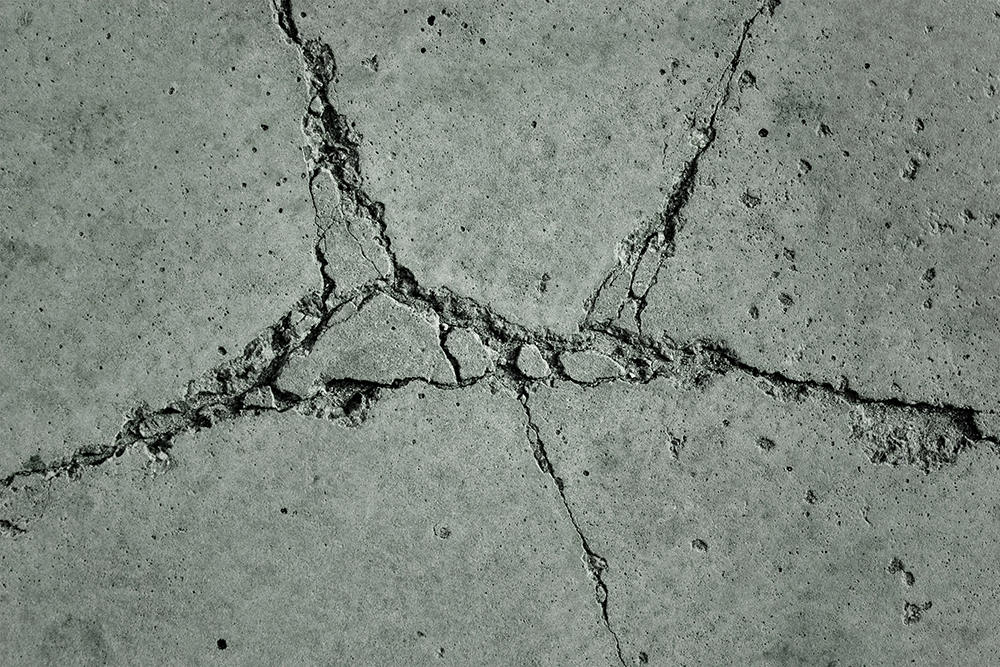
- Cracks in the Slab: Small hairline cracks are normal but should be sealed to prevent moisture issues. Large, uneven cracks may signify a significant problem.
- Uneven Floors: Sloping or uneven floors could signal foundation movement.
- Sticking Windows and Doors: Windows or doors that stick or are difficult to open can indicate foundation issues.
- Floor, Wall, or Ceiling Cracks: Cracks in tile, drywall, molding, ceilings, or exterior walls may indicate uneven settling.
Concrete Slab Foundation Repairs
If you notice any issues with your concrete slab foundation, address them promptly to prevent further damage. The most common repair methods include:
- Crack Repair: Small cracks can often be filled with epoxy or polyurethane sealants. Larger cracks may require additional methods.
- Piering: This method stabilizes a foundation undergoing settlement. It levels the foundation using steel push piers that connect it to deeper, stable soil and hydraulically lift it.
- Drainage: Proper drainage measures help protect your foundation from water damage.
It's always best to consult a professional who can assess the condition of your foundation and recommend appropriate repair solutions. If you live in Austin, Texas, or the surrounding cities and suspect any problems with your concrete slab foundation, schedule an inspection with our qualified experts and get a free repair quote.