
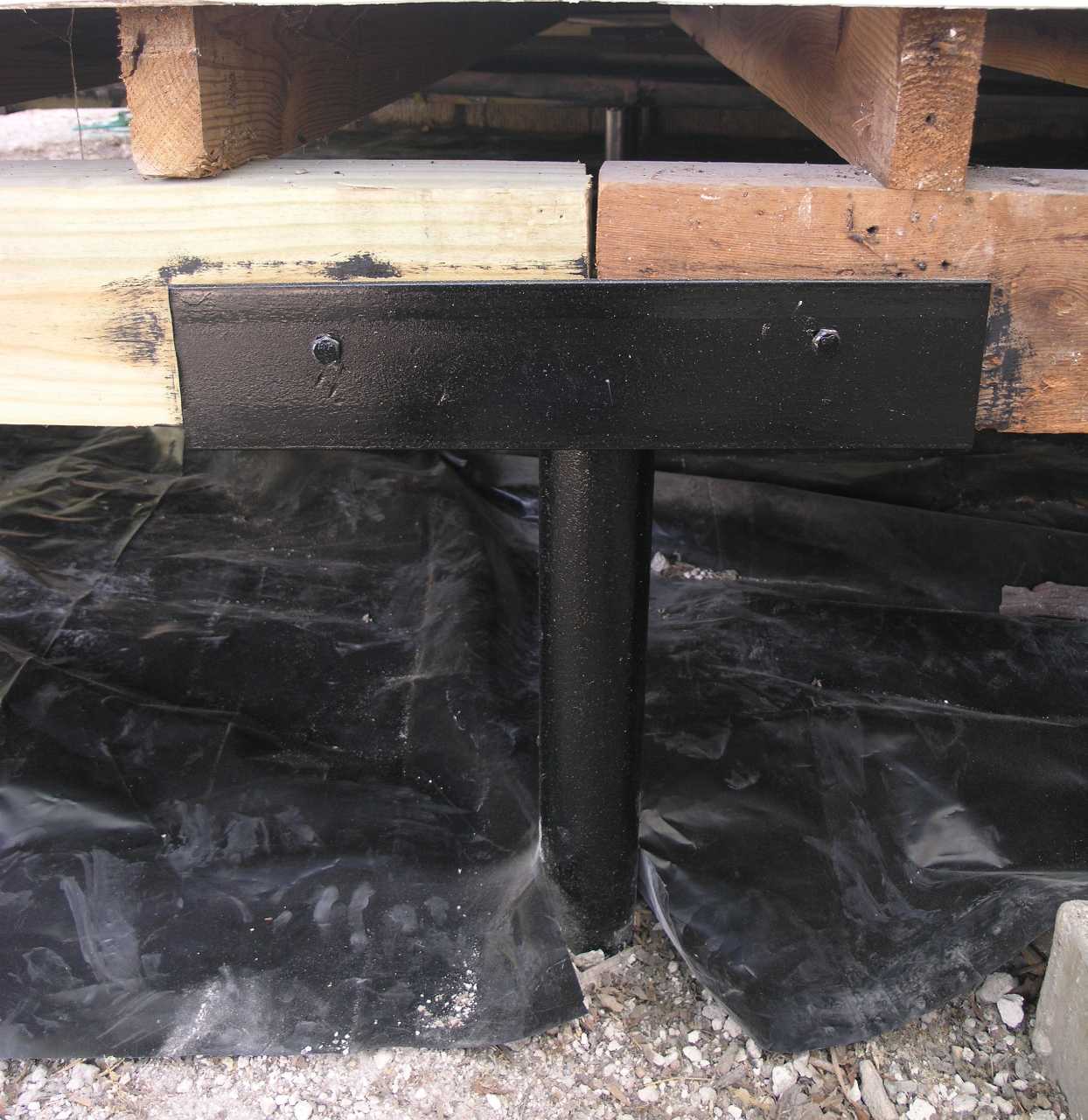
Are you thinking about enclosing your home's pier and beam foundation? Do you wish to learn how to do it yourself? This guide will help you understand the basics and steps necessary.
Using concrete blocks and bricks to enclose a pier and beam foundation is possible. Likewise, you can use pressure-treated plywood as the skirt surrounding the area. However, some cities within Texas have differing building codes regarding this, so you should check. If you hire a professional, they'll make sure you're up to code.
Using Pressure-treated Plywood to Enclose Pier and Beam Foundations
This method is quick and easy to install, and pressure-treated plywood is generally cheaper than concrete bricks. Here are the steps:
- Dig your channel between the two beams, ensuring it's about 1 foot deep.
- Measure the distance between those two beams, starting at the top of your rim joist and going to the depth of your channel.
- Trim the plywood to match your measurements. Ideally, use plywood the same thickness as your wall sheath.
- Put the plywood in the channel, nailing the top of it to your rim joist.
- If you're in a cold climate or have clay-like soil, add 1 inch of gravel to the bottom before installing the drain.
- Fill your channel with gravel up to your grade level.
- Repeat until you've fully enclosed the pier and beam foundation.
- You may install siding similar to your exterior walls to cover the plywood.
Decorating the Pier and Beam Enclosure
There are various ways to decorate the enclosure so it looks visually appealing.
Flower Beds and Hedges
A low flower bed or hedge can decorate the exterior wall and your foundation, and you can select flowers that complement your house. Just make sure the planting ground is lower than the ground leading to the foundation so water moves away from the piers and beams.
Lattices
A lattice is a decorative layer made of thin wood strips placed in a diamond pattern. It offers a relaxed, country style, is relatively inexpensive, and gives you easy access under the foundation.
Stucco
A stucco finish makes the enclosure insect and fire resistant. Install a layer of wire mesh and felt on your plywood before applying the stucco so it grips the wood.
Corrugated Metal Sheets
Metal sheets are inexpensive, light, quick to install, and come in various colors. They add a water-resistant layer and are easy to repair. Use galvanized screws to attach them under your rim joist.
Stone and Brick Veneer
Stone or brick veneer adds the beauty of natural materials without the full price tag. It installs easily over the enclosure materials, though veneer is still more expensive than simpler options.
Concrete Blocks and Wood
Concrete blocks are cheap and easy to install. Natural wood offers a warm feeling, whether stained horizontally or painted with vertical strips.
Common Problems Pier and Beam Foundations Have
Check the foundation periodically for signs of problems and repair issues promptly, which often requires a professional.
Termite Problems
Termite infestations are common with these foundations because they eat the wood, which is why enclosing it helps.
Shifting Beams
Beams can shift because of aging. If you notice the floor joists sagging, a professional will install shims or replace piers to fix and prevent the issue.
Pier Collapse
Without proper drainage, piers can sink into the ground or collapse under high wind loads. A professional can add pier stabilization shims to help.
Final Thoughts
There are countless ways to enclose your pier and beam foundation and many materials you could use. Though it's possible to DIY, it's often better to hire a professional. Consider working with Quality Foundation Repair Austin for the best results. Schedule your free estimate today.
FAQs About Pier and Beam Foundations
How Do You Space a Pier and Beam Foundation?
Pier and beam foundations typically have the piers evenly apart, about 4 feet, with the beams running perpendicular to create a grid.
What Is Better: Pier and Beam or Slab Foundation?
A pier and beam foundation is generally more affordable, offers flood protection, is easily accessible, and provides more flexibility. A slab foundation is easy to install, requires little maintenance, and offers durability and protection from pests and water infiltration.