
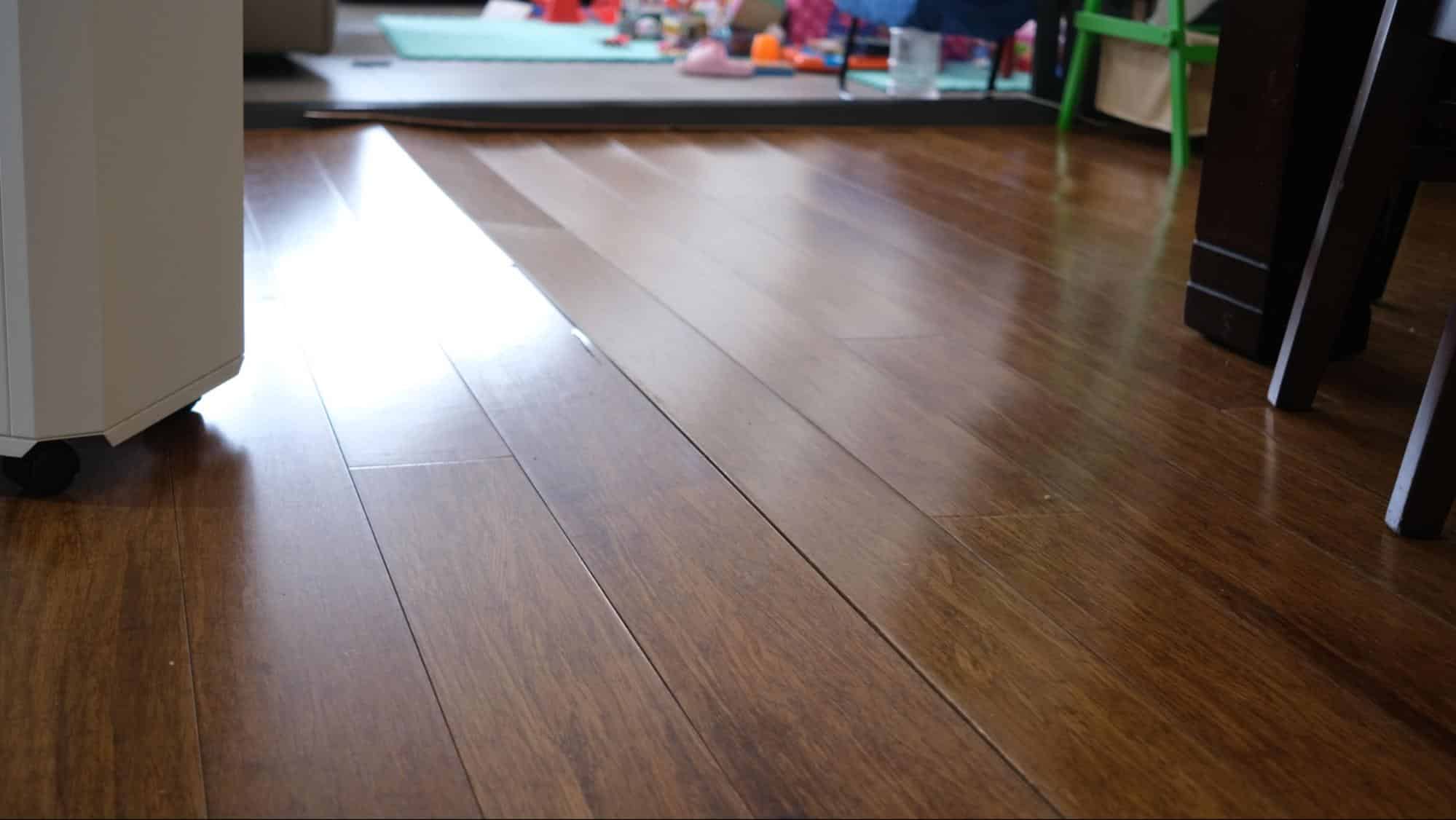
If you're looking for ways to fix a sagging floor in the crawl space, you're on the right page. Postponing the fix can lead to serious structural damage, safety hazards, and higher repair costs later. In this guide, we'll explain why floors sag, how to inspect your foundation for signs of trouble, and how the repair works.
Why Do Floors Sag?
Sagging floors can be alarming because they may point to structural issues that compromise the stability and safety of your home. You can often tell your floors are sagging by checking for uneven surfaces, windows and doors that won't open and close properly, gaps between the baseboards and floors, or dips when you walk across the floor.
Generally, floors sag for three reasons: beam problems, settling problems, or voids below slab foundations.
Issues With Beams
If your crawl space floors are sagging in the middle, you may have an issue with the beams that carry the home's load. Moisture can seep into the crawl space and, over time, lead to rust, wood rot, or metal beam corrosion. If the soil settles beneath the foundation, it can also weaken the beams.
To fix sagging floors caused by weakened beams, contact a qualified foundation repair service. Specialists conduct a detailed assessment, address water issues by installing a dehumidifier or sump pump or improving drainage, and replace or reinforce the damaged beams with additional supports like steel jacks or piers.
Settling Problems
If you notice floors sagging around the edges, it's typically due to settling, when the soil beneath the foundation compresses and shifts, causing the edges of your property to sink. You may see uneven floors, sticking windows or doors, or cracks in the ceilings, walls, or foundation.
Professional intervention is necessary here. Foundation underpinning is a common solution, but the most important step is addressing the underlying soil issue to prevent future settling.
Voids Under Slab Foundations
If your home has a slab foundation and you notice sagging floors in the middle, it may be because of voids under the concrete. These form from decaying tree roots, soil erosion, or water drainage problems. You can help avoid voids with proper water drainage management, regular maintenance, and by keeping large organic materials from decaying under the slab. To repair voids, experts typically use polyurethane foam injection or soil stabilization techniques to fill the gaps and support the foundation.
How Do You Inspect a Foundation for Sagging?
The best way to diagnose the cause of sagging floors is to inspect the foundation thoroughly, usually starting with the floor joists in your crawl space. Damaged joists caused by pests like termites, excess moisture, or poor construction are among the most frequent culprits.
Moisture is the leading cause of structural problems in crawl spaces. Water stains, mildew, mold, or foul odors are signs it's time to talk to an expert, because excess moisture weakens the wood and results in sagging floors. To reduce moisture, a vapor barrier can be installed to help seal the crawl space floor from soil moisture, often paired with a dehumidifier for moisture control.
Next, inspect the support posts for signs of shifting and leaning, and make sure they are securely anchored to the foundation. Cracks in the floors or walls near the edges of your home are telltale signs of settling, and uneven gaps between floors and walls may indicate the foundation is shifting.
How to Fix a Sagging Floor in the Crawl Space
Once you have identified the root cause, it's time to fix it. If the sagging is due to settlement near the edges of the foundation, experts can underpin the foundation using piers, which lift the structure toward its maximum practical level without causing additional damage. If the sagging is in the middle, it's likely due to weakened support beams or joists, and experts can install steel jacks beneath the beams and slowly lift them. It's also vital to address any moisture issues, since unaddressed moisture leads to mold, poor indoor air quality, and structural damage.
Slab Foundation Floors Sagging: What Can I Do?
If your home has a slab foundation with sagging floors, the solution depends on the cause. Concrete slabs sinking at the edges usually indicate compressing soil underneath. At Quality Foundation Repair Austin, we stabilize and lift the slab using our in-house steel push piers. To understand how push piers compare with other methods, see our guide on steel push piers vs helical piers.
Sagging in the middle of the slab typically indicates voids underneath from decaying roots or water damage. To fix this, professionals sometimes drill small holes through the slab and inject expanding polyurethane foam into the void, which fills the space and raises the slab toward its maximum practical level.
Is It Expensive to Fix a Sagging Floor in a Crawl Space?
The total cost depends on the scope of the damage and the underlying cause. A foundation repair specialist will guide you through the process and give you an estimate. Simple fixes are more affordable than complex solutions, which can run into the thousands, but the cost is worth it to keep your home safe and sound.
Does homeowner's insurance cover fixing a sagging floor in the crawl space? Usually no. Homeowners' insurance typically won't cover repairs if the sagging is due to voids, settlement, or faulty construction. If floods or earthquakes cause the damage, you usually need separate insurance.
Can I Fix a Sagging Floor in the Crawl Space Alone?
Many homeowners are tempted to attempt DIY fixes, but these are often ineffective and can lead to further structural damage and higher repair costs down the line. Instead, consult experts with the tools and knowledge to perform the job right.
Contact Quality Foundation Repair: How We Can Help
Need to fix a sagging floor in the crawl space but unsure what to do? Rely on Quality Foundation Repair, serving Austin, Texas, and nearby areas like Georgetown, San Marcos, Pflugerville, Cedar Park, and Round Rock. We provide customized solutions for your home's foundation needs, from foundation inspections to crawl space repairs, house leveling, slab foundation work, and pier and beam foundation repairs.
Call us at (737) 260-7340 or contact us today to receive a free estimate.