
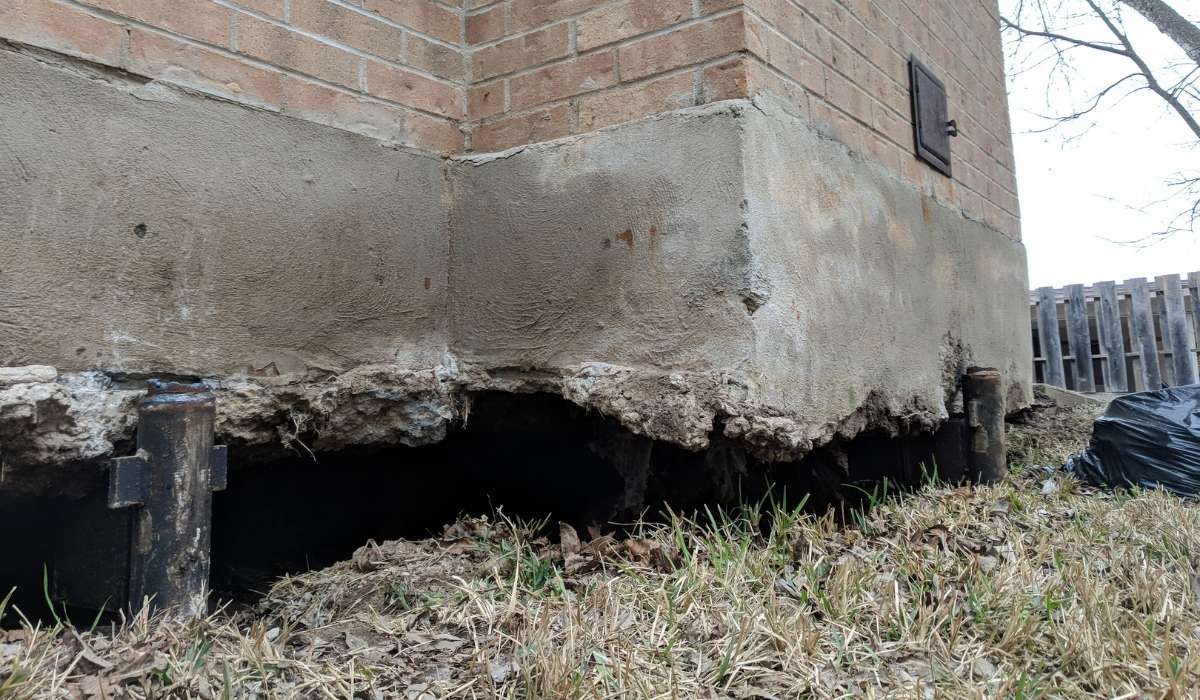
Noticing cracks in your walls, uneven floors, or doors that won't close? These are all signs of a sinking foundation, a serious issue that can threaten your home's structure if left unchecked.
Your foundation holds everything together, but soil movement, moisture, and poor construction can cause it to shift or sink over time. While jacking up a foundation might sound like a simple fix, the process requires the right tools, knowledge, and safety precautions to avoid worsening the problem. In this guide, we'll explain how to tell if your foundation is sinking, the safest repair solutions, and why professional repairs are often the best route.
Different Methods for Jacking up a Sinking Foundation
Lifting a sinking foundation requires the right approach based on your home's foundation type, soil conditions, and the extent of the settlement. Here's a breakdown of common foundation jacking methods across the industry.
| Method | Best For | Pros | Cons |
|---|---|---|---|
| Adjust-A-Pier | Pier and beam homes | Precise adjustments, durable, minimal maintenance | Not suitable for slab foundations |
| Helical Piers | Light structures, weak soil | Quick install, works in soft or wet soil | Higher upfront cost |
| Push Piers | Heavy homes, deep settlement | Strong support, long-lasting | Not ideal for light structures |
| Hydraulic Jacking | Controlled foundation lifting | Precise adjustments | Requires professional expertise |
| DIY Jacking | Minor adjustments only | Low cost for small fixes | Risky, temporary, not for full foundation |
A note on what Quality Foundation Repair Austin installs: for pier and beam homes we use the Adjust-A-Pier system, and for slab foundations we install our own in-house steel push piers. We do not install helical piers; it's listed above only so you can see the full range of methods. To compare the two pier types in more detail, see our guide on steel push piers vs helical piers.
How to Jack up a Sinking Foundation
Lifting a foundation isn't something to take lightly. Done incorrectly, you could cause more damage, cracked walls, or safety hazards. That's why professional methods like the Adjust-A-Pier system are the safe way to stabilize and level a pier and beam foundation. If your floors are sagging, doors are sticking, or cracks are appearing, here's how the repair works:
- Inspection and preparation: A thorough inspection identifies problem areas and determines the repair plan.
- Site preparation: Temporary supports are installed and old piers removed as necessary.
- Excavation: Precise holes are excavated to the required depth for each pier.
- Woodwork: Damaged beams and joists are replaced.
- Footings are poured: Steel cages are set in the footers and concrete is poured.
- Adjust-A-Pier installation: The system is installed and adjusted for proper alignment.
- Final adjustments and cleanup: The foundation is leveled to its maximum practical level and the site restored.
The Risks of DIY Foundation Jacking
Trying to lift a sinking foundation on your own might seem like a cost-saving move, but it can lead to serious damage, safety hazards, and higher foundation repair costs in the long run.
- Uneven lifting can cause more damage: Without proper equipment, uneven lifting can warp door frames, crack floors, and create new structural issues.
- Incorrect jacking can crack walls and ceilings: Lifting too quickly or at the wrong points stresses walls, ceilings, and floors.
- Lack of stabilization leads to costly repairs: Temporary jacks or poor support can cause the home to sink again, often worse than before.
- Hidden safety hazards: Plumbing, electrical wiring, and gas lines run under many homes, so a mistake could lead to burst pipes, fire hazards, or gas leaks.
5 Common Sinking Foundation Signs
- Uneven floors and sloping rooms: Floors that slope, dip, or feel uneven could indicate the foundation is shifting beneath your home.
- Cracks in walls, ceilings, or floors: Growing, widening, or zigzagging cracks are often signs of foundation failure, especially diagonal wall cracks, gaps between ceiling and walls, and fractures in tile or concrete floors.
- Sticking doors and windows: When a foundation shifts, frames warp and doors and windows become difficult to open or close.
- Gaps between walls and trim: Gaps forming between baseboards, crown molding, or trim can indicate sinking and shifting.
- Chimney tilting or pulling away from the house: A leaning chimney is a major red flag that the foundation beneath it may be sinking.
Don't Ignore the Warning Signs
If you notice these symptoms, a professional foundation inspection is the way to find out what is happening and what your options are your chances of avoiding major repairs.
What Causes a Sinking Foundation?
Soil Issues: the Leading Cause of Foundation Problems
The soil beneath your home plays a significant role in its stability. Certain soils expand, contract, or erode, causing foundations to shift and sink.
| Soil Type | Effect On Foundation |
|---|---|
| Sandy Soil | Drains well but can erode, creating voids under the foundation. |
| Clay Soil | Expands when wet, shrinks when dry, leading to cracking and movement. |
| Silt Soil | Retains moisture, making it unstable and prone to shifting. |
| Loamy Soil | Generally stable, but excessive clay content can cause movement. |
| Fill Soil | Often poorly compacted, leading to uneven settling and damage. |
Texas is known for its expansive clay soils, which can cause major foundation problems. One of the most common is Houston Black soil, the official state soil of Texas according to the U.S. Department of Agriculture. Its high shrink-swell capacity means it expands significantly when wet and contracts when dry, putting stress on foundations and leading to cracks, sinking, and structural movement. If your home is built on expansive clay soil, proper drainage, moisture control, and professional foundation support are essential to prevent costly repairs.
Water Damage: a Leading Cause of Foundation Sinking
Water is one of the biggest threats to foundation stability, and Texas is no stranger to extreme rainfall and flooding. Flash flooding is the most common natural disaster in Central Texas, and sudden soil saturation is a frequent issue.
Here's how water damages foundations:
- Poor drainage: Heavy rainfall and flash floods cause soil to erode or expand, leading to foundation movement.
- Plumbing leaks: Underground leaks can wash away soil, creating voids beneath the foundation.
- Soil saturation: Excess water weakens the soil, causing settlement and cracks.
Aging Materials: a Weakening Foundation
- Concrete foundations: Small cracks can grow, leading to shifting and structural damage.
- Pier and beam homes: Wood rot weakens floor joists and piers, causing sagging and instability.
Inadequate Support: Poor Construction and Insufficient Piers
- Too few piers: Insufficient pier placement in pier and beam homes leads to floor sagging and settling.
- Weak footings: Shallow or poorly reinforced concrete footings can crack and sink under pressure.
- Improper soil preparation: The foundation may settle unevenly if builders don't compact soil properly before construction.
Don't Take Risks, Lift Your Foundation the Right Way
Your home's foundation isn't something to gamble with. A sinking foundation can lead to costly repairs and long-term damage if not handled correctly. While some small adjustments may be DIY-friendly, lifting an entire foundation requires experience and precision.
At Quality Foundation Repair Austin, we specialize in pier and beam foundation repair, foundation jacking, and structural support solutions designed to keep your home safe and stable. If you see signs of foundation sinking, don't wait. Call us today for a free inspection.