
Post-tension slabs are known for their strength, durability, and flexibility. But when something goes wrong, such as a cable break, stress loss, or water intrusion, the damage can be costly and difficult to detect. Over time, these small problems can lead to visible slab cracks, uneven floors, or even foundation failure.
This article explains how post-tension systems work, what causes post-tension slab failure, and how to spot the warning signs early. You'll also learn about professional cable repair and slab reinforcement options, especially in places like Texas where unstable soil increases the risk.
What Is a Post-Tension Slab?
A post-tensioned slab is a structural concrete foundation that uses high-strength steel cables, called tendons, for reinforcement. These tendons are installed inside plastic sheaths and stretched tight after the concrete cures. This process compresses the concrete and makes it more resistant to cracking, shifting, and heavy loads. Post-tension slabs are common in homes, apartment buildings, parking structures, and commercial spaces. When properly installed they are strong and reliable, but if a tendon breaks, tension is lost, or corrosion sets in, the slab can become unstable. Because most of these issues happen below the surface, signs of failure may not appear until serious problems develop.
What Causes Post-Tension Slab Failure?
- Moisture intrusion and corrosion: Water can seep into anchor pockets, cracks, or unsealed joints and corrode the steel tendons, leading to stress loss or cable breaks, especially in older systems.
- Construction errors: Improperly placed cables, low concrete coverage, or poorly installed anchors weaken the system from the start.
- Accidental damage during renovation: Drilling or cutting into a slab without first locating the cables can snap a tendon instantly and release tension.
- Soil movement and environmental stress: Expansive clay soil, common in Texas, swells when wet and shrinks when dry, putting pressure on the slab.
- Improper repairs and aging systems: Patching surface cracks without addressing corroded or broken cables can make things worse, and hidden strand corrosion is hard to detect until failure occurs.
Signs Your Post-Tension Slab May Be Failing
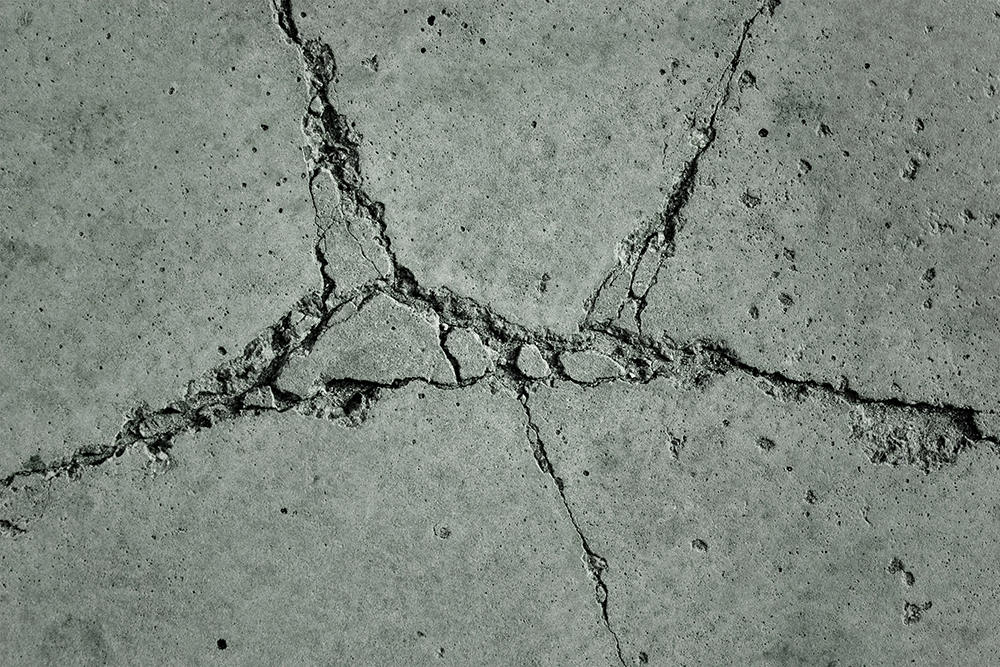
- Cracks at corners or along joints: Diagonal or spreading cracks, especially in control joints, can indicate tension loss or shifting support.
- Rust stains or moisture patches: Discoloration, rust marks, or damp areas may signal water intrusion and corrosion of the tension cables beneath.
- Uneven or heaving slabs: Floors that appear sloped, sunken, or pushed upward could indicate slab movement from soil pressure or a failing cable.
- Exposed anchor heads or damaged edges: Anchor points should be sealed and secure. Protruding, cracked, or flaking anchors suggest the system is under stress.
- Snapping sounds or sudden cracking: A loud pop or crack without visible damage can mean a tension cable has broken inside the slab.
- Surface spalling or chipping: Chunks of concrete breaking away can indicate internal corrosion near embedded steel.
- Visible cable ends or strands: Seeing any part of a post-tension cable at the surface is a serious concern.
While not all cracks or stains mean structural failure, these signs shouldn't be ignored.
How Post-Tension Slabs Are Inspected
Because tendons and anchors are buried in concrete, professionals use a combination of tools and techniques to identify issues safely:
- Ground-Penetrating Radar (GPR): A non-invasive scan that locates cable paths, voids, and misplaced reinforcement without damaging the slab. Quality Foundation Repair Austin coordinates GPR scanning through a partner inspection engineer for accurate assessments before slab foundation repairs.
- Anchor pocket inspection: Technicians check exposed anchor areas for rust, cracks, or moisture, which are common in older systems.
- Magnetic and acoustic testing: These tests detect broken or slack cables by measuring vibration or electromagnetic signals through the concrete.
- Selective concrete removal: In severe cases, small sections of concrete are removed to expose tendons or anchors for hands-on evaluation.
- Shop drawing and code review: Engineers compare the original design plans to the slab's current condition to verify correct installation and tensioning.
Professional Repair Options for Post-Tension Slabs
Repairs depend on the extent and type of damage, whether a broken tendon, a shifting foundation, or long-term water exposure. Common methods include:
- Tendon splicing with couplers: If a cable snaps but both ends are accessible, specialized devices reconnect and re-stress the cable without replacing the entire strand.
- Full cable replacement: In cases of severe corrosion or inaccessible breaks, a new tendon may be pulled through the original duct path and tensioned.
- Anchor pocket restoration: Rusted or damaged anchor heads are removed, replaced, and sealed to stop future moisture intrusion.
- Temporary cable lock-offs: For active systems under tension, temporary anchors isolate and repair sections of the slab without compromising support during the work.
- Steel push pier installation: If slab movement or uneven settling is present, our in-house steel push piers can be driven deep into stable soil to lift and stabilize the foundation, which is especially useful for homes built on unstable clay soil.
- Grading and drainage improvements: Poor water management is often the root cause of slab failure. Solutions include correcting the slope around the home, rerouting sprinkler lines, and installing drainage that keeps moisture away from the foundation.
Why Local Experience Makes a Difference
Not all foundation repair companies understand the challenges of building on expansive soil. In Texas, homes are constantly exposed to cycles of extreme dryness and sudden rain, and that soil movement puts extra pressure on post-tension slabs. At Quality Foundation Repair, we combine non-invasive diagnostics like GPR scanning, coordinated through our partner inspection engineer, with proven stabilization methods to address slab problems without guesswork. Our local knowledge means we look deeper than what's visible, identify the root cause, and provide long-lasting solutions.
Don't Let a Cable Break the Bank
Post-tension slab failure can be serious, but it doesn't have to lead to full foundation replacement. With early detection and expert repair, most issues can be fixed before they become major. If you've spotted cracks, uneven floors, or signs of stress in your slab, don't wait. Schedule a foundation inspection with Quality Foundation Repair. We'll find the problem, explain your options, and deliver a lasting solution you can trust.