
You're standing in your living room and you notice your door sticks. The floor feels a little off. Maybe a crack has opened up in the wall. The first thing you might see is the symptom, but the real culprit might be what's happening underneath your home.
When soil starts shifting, settling, or collapsing under your foundation, you don't just need a band-aid, you need the right fix. Two of the main options are soil stabilization and foundation underpinning. Knowing which one fits your situation can save you from doing the wrong work, or worse, doing good work in the wrong place.
What Is Soil Stabilization?
Think of soil stabilization as reinforcing the ground beneath your home so the foundation actually has something trustworthy to sit on. When the soil under your house starts acting up, soft, soggy, or shifting, it doesn't always mean your foundation needs to be rebuilt. Sometimes, the smarter move is to make the soil itself stronger.
Soil stabilization focuses on improving what's already there. Depending on the problem, that can mean mixing in stabilizing materials, injecting foam or grout to fill voids, compacting loose soil, building retaining structures, or improving drainage so moisture stops playing shrink-swell with your clay. The goal never changes: stable soil means a stable home.
It's best when:
- The soil is weak or shifting, but the foundation remains structurally sound.
- You're seeing warning signs like cracks or uneven floors, but no major structural collapse.
- The real issue is the soil's behavior, expanding, shrinking, or eroding, not the foundation itself.
What Is Foundation Underpinning?
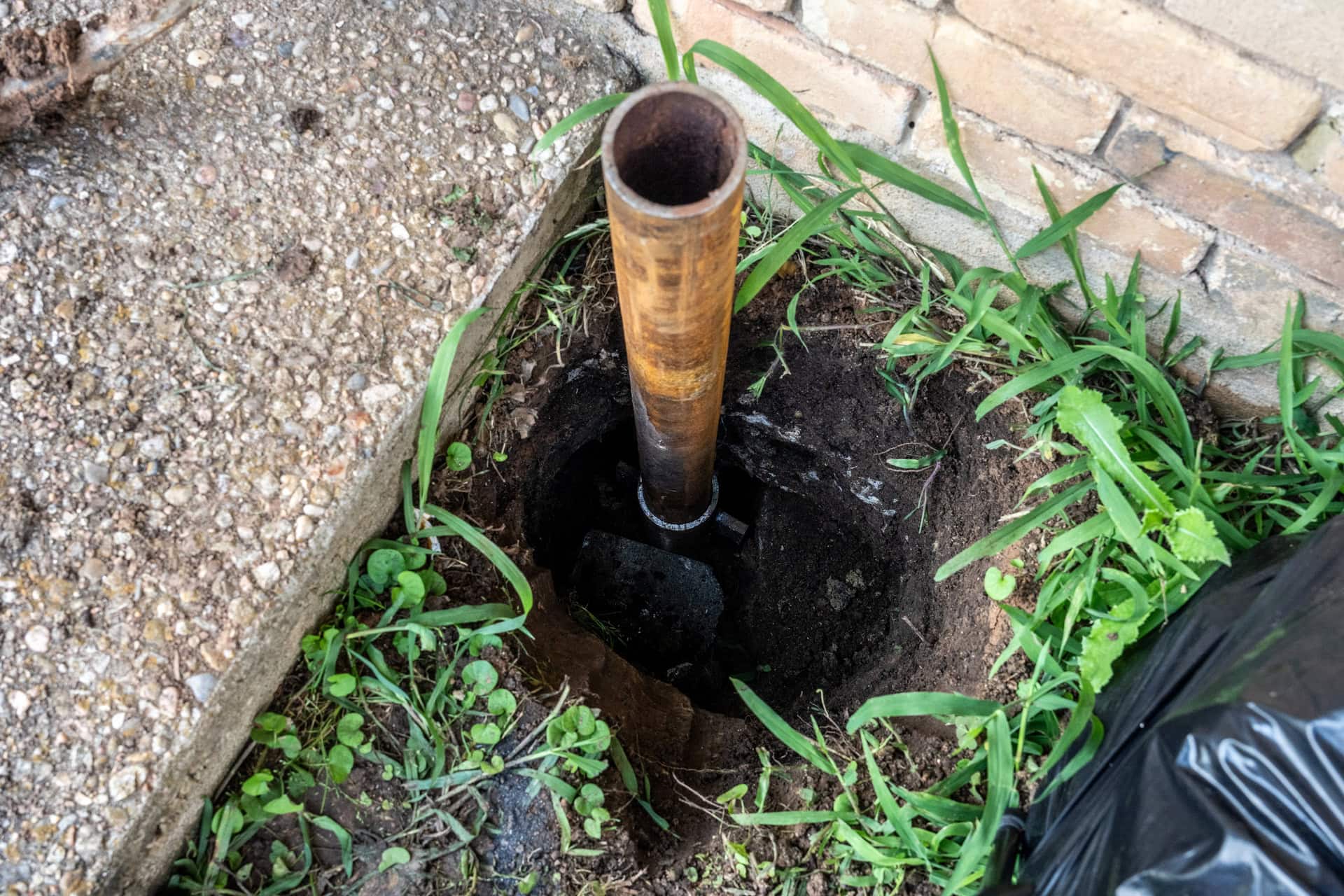
Sometimes, the problem runs deeper than the soil. Underpinning is a stronger, more direct fix. It means adding extra support like steel piers beneath your foundation or extending it down to more stable soil or bedrock. In plain terms, it's a foundation stabilization method that rebuilds or reinforces the foundation's footing so it can do its job again.
That support can come from concrete caissons, steel piles, or injected grout to transfer the building's weight to a solid, unshakable foundation below. The result is a foundation that no longer relies on unreliable ground, but on engineered stability.
It's best when:
- The foundation is visibly cracking, bowing, or has settled several inches.
- The soil beneath is too weak or inconsistent to fix with surface treatments.
- You need a long-term, heavy-duty solution that keeps your home steady for decades to come.
Real-World Example
Imagine your house is a table: the legs are your foundation, the soil is the floor beneath. If the floor (soil) is soft and sinking, but the table legs are fine, you stabilize the floor (that's soil stabilization). If the table legs (foundation) themselves are breaking, you reinforce the legs (that's underpinning).
Soil Stabilization vs. Foundation Stabilization
- Soil Stabilization: Improves the ground beneath your foundation. Used when the soil is the problem, too soft, too wet, or not compacted properly.
- Foundation Stabilization: Strengthens the structure itself to stop movement. This can include support piers, adjustable jacks, and in more serious cases, underpinning.
- Foundation Underpinning: A type of foundation stabilization. Adds deep support under an existing foundation, often using piers or piles driven to stable ground.
Which One Should You Choose?
If you're dealing with cracks, sinking floors, or shifting walls, choosing the right one means asking the right questions. Is the foundation damaged, or is the soil just shifting? How deep is the problem? What kind of soil are we dealing with? In Austin and across Central Texas, expansive clay is the usual suspect, swelling when wet and shrinking when dry. And what's the long-term outlook? Soil stabilization works well for moderate issues, while house underpinning is built for serious structural support.
Sometimes You Need Both
Some situations call for a combo approach: stabilize the soil to prevent further erosion or movement, then underpin the foundation to correct what's already failed. The key is a thorough foundation inspection and an honest diagnosis.
At Quality Foundation Repair, we inspect, diagnose, and recommend the best method. While Quality Foundation Repair doesn't offer soil stabilization directly, we partner with trusted specialists when needed. You can count on us for expert foundation repair. Call us today for a foundation inspection.