
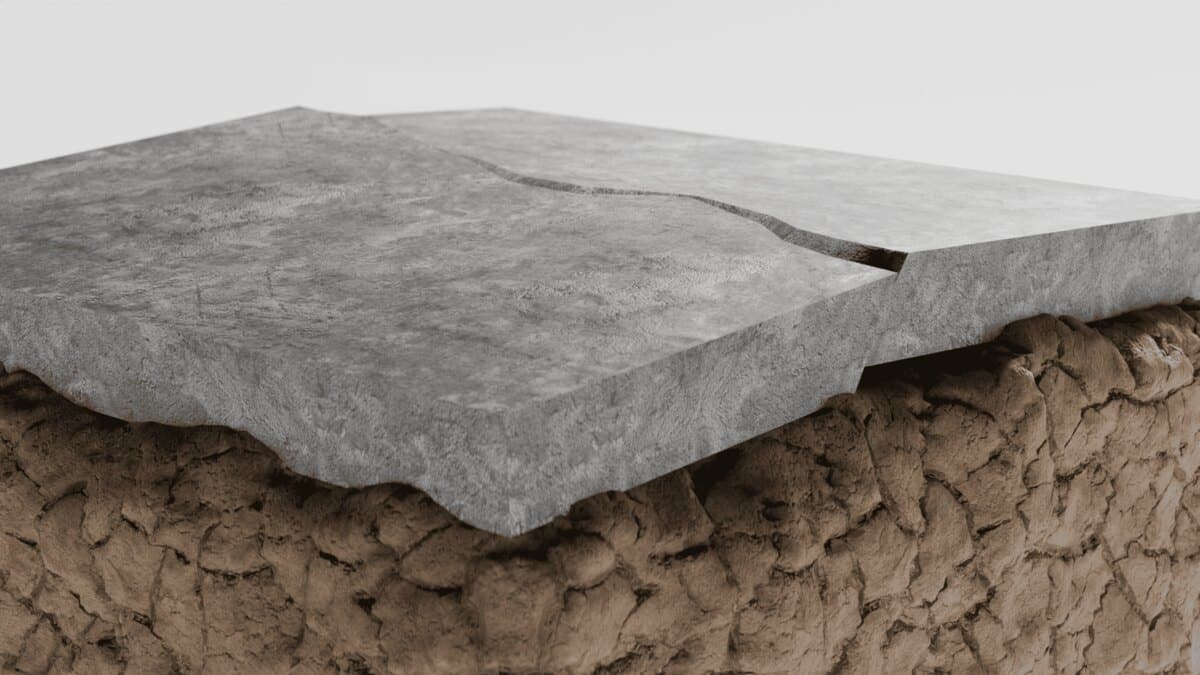
Your home is just like anyone else's throughout Texas, your foundation sits on several layers of soil. While every homeowner faces soil-related challenges, this concern is worsened by the prevalence of expansive soil in Austin.
Understanding how expansive soil affects your home's foundation is crucial for maintaining its structural integrity. In this post, we'll explain how expansive soil can impact your foundation and what you can do to protect your home.
What Is Expansive Soil?
Expansive soil, or "shrink-swell" soil, contains minerals like smectite clays that absorb water. As organic material, these soils expand when wet and contract as they dry out. This constant cycle of swelling and shrinking can exert significant pressure on your home's substructure, leading to problems like foundation settling and foundation cracks. While some settling is normal in a building's lifespan, this usually isn’t a problem so long as the settlement is uniform. Problems arise when the building settles into the ground unevenly. This is known as differential settlement.
Austin is known for its clay-rich soil, particularly the highly expansive Blackland Prairie soil. The region's climate, which includes periods of heavy rainfall followed by dry spells, exacerbates the soil's swelling and shrinking behavior. This combination makes Austin particularly susceptible to the problems associated with expansive soil.
How Expansive Soil Affects Your Home's Foundation
Expansive soil can have severe and costly effects on your home's foundation if not addressed promptly. Let's explore the fundamental ways expansive soil can impact your foundation.
Foundation Movement and Settlement
During wet periods, expansive soil absorbs water and swells, exerting upward pressure on the foundation. This can cause foundation parts to lift, resulting in uneven floors and wall cracks. Then, during the drying period, the soil loses moisture and contracts, settling unevenly and creating gaps between the soil and the foundation, leading to further instability.
Cracks in Walls and Floors
Diagonal cracks often occur due to the differential movement of the foundation. As one part of the foundation moves more than another, it creates stress, leading to diagonal cracks in walls and floors. Horizontal cracks also indicate significant structural issues. They often occur when the pressure from swelling soil pushes against the foundation walls and should be taken seriously as a red flag.
Sticking Doors and Windows
As the foundation moves, it can cause doors and windows to become misaligned, making them difficult to open or close. This misalignment may lead to gaps around door frames and windows, allowing drafts and moisture to enter the home.
Gaps and Separation Between Walls and Ceilings
Gaps forming between walls and ceilings or between walls and floors are caused by the foundation settling, allowing moisture and pests to enter your home. Over time, these gaps can widen, further damaging the interior finishes.
Plumbing Issues Like Broken Pipes
The movement of the foundation can also affect your home's plumbing system. Pipes may break or become misaligned, leading to leaks and further water damage, higher water bills, and costly repairs.
Early Warning Signs of Expansive Soil Damage
- Cracks in interior walls, particularly around doors and windows
- Cracks in exterior brickwork or the foundation itself
- Doors and windows that stick or don't close properly
- Uneven or sloping floors
- Gaps between walls, ceilings, and floors
- Visible movement of the foundation
Simple Steps You Can Take
While you can't change the soil your home is built on, there are several steps you can take to minimize the impact of expansive soil on your foundation:
1. Proper Drainage: Ensure your gutters and downspouts direct water away from your foundation, and grade the ground so it slopes away from the foundation to prevent water pooling.
2. Soil Moisture Management: Use soaker hoses or drip irrigation to maintain consistent moisture levels around your foundation. Keep in mind this is usually a temporary solution, and with recent weather fluctuations it may be a matter of time before you need a foundation repair expert.
3. Foundation Maintenance: Have your foundation inspected regularly by a professional and seal any cracks promptly to prevent water infiltration.
4. Professional Solutions: Soil stabilization techniques can help reduce the soil's expansiveness. In cases of severe damage, professional foundation repair methods such as piering can restore stability to your home.
How Professionals Can Solve Your Problems
Foundation repair specialists have extensive experience dealing with the challenges of expansive soil in Austin. Look for thorough inspections, customized repair plans, proven repair techniques such as steel push piers to stabilize and lift your foundation, preventive drainage and moisture management measures, and a team that partners with clients to make informed decisions.
Quality Foundation Repair Can Help With Expansive Soil
Expansive soil can pose significant challenges for homeowners in Austin, but with the proper knowledge and professional help, you can protect your home's foundation from severe damage. By understanding the signs of expansive soil damage and taking proactive measures, you can maintain your home's structural integrity for years to come.
If you're concerned about your foundation or need an inspection, contact us today for a free estimate.