
If Water Is Seeping Through Your Foundation Slab, You've Got a Problem
Picture this: you walk into a ground-floor room and something feels damp. The air is musty, and there's water on the floor, but it didn't rain inside. Chances are you've got water seeping through your foundation slab. We see it all the time here in Central Texas, and it's fixable, but the longer you wait, the worse it gets.
Why Water Leaks Through a Concrete Slab
Water isn't supposed to come up through your floor. When it does, you're usually dealing with one or more of these causes:
1. Poor Drainage Outside
If your yard slopes toward your house or your gutters dump water right at your foundation, water starts pooling. When it has nowhere to go, it finds a way in through the slab. That's groundwater intrusion, and over time hydrostatic pressure builds up and forces water through the concrete.
2. Cracks in the Slab
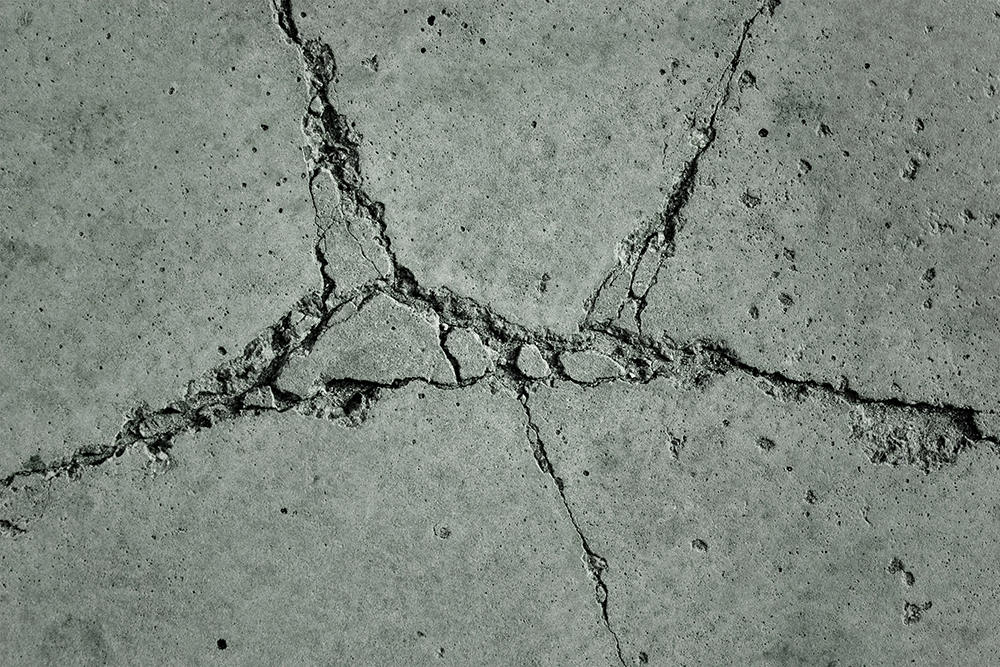
Concrete is tough, but soil movement, tree roots, and temperature swings take their toll, and even hairline cracks give water an open invitation. This is where slab leak detection comes in. Sometimes cracks are visible; other times it takes specialized tools to find them under flooring or behind walls.
3. Plumbing Leaks Beneath the Slab
A pipe leaking under your foundation saturates the soil, and the water has nowhere to go but up. You might not see the leak, but you'll notice signs like warm spots on the floor, rising water bills, or the faint sound of running water when everything's off.
4. High Water Table or Seasonal Flooding
In areas like Austin where expansive clay soil dominates, heavy rains can raise the groundwater level faster than your drainage system can handle, leading to wet floors and seepage through the slab.
How to Know If Water Is Coming Through Your Slab
Even before you see standing water, these signs point to moisture coming through:
- Damp or musty smell in lower levels
- Peeling paint or water spots on baseboards
- Efflorescence, the white chalky residue left when water evaporates
- Warped flooring or wet carpet
- Visible cracks or bubbling in vinyl or tile
- Mold or mildew creeping in
Don't ignore these signs. Moisture problems only get worse with time and can lead to structural damage or health issues.
The Fix: What Can Be Done About It?
At Quality Foundation Repair, we go beneath the surface to find the root cause and fix it. Here's how we tackle foundation slab moisture issues.
Step 1: Foundation Inspection
We start with a detailed inspection using moisture meters and, when a deeper diagnosis is needed, ground-penetrating radar performed through our partner inspection engineer to pinpoint where the water is coming from and how bad it is. If it looks like a plumbing issue, we'll recommend a hydrostatic test. If it's a structural crack, we move to step two.
Step 2: Slab Foundation Repair
If cracks or foundation movement are causing the issue, we use our in-house steel push piers to stabilize the slab. These are driven deep into the ground until they reach stable soil, then used to lift and support the home. Our slab work is backed by a transferable warranty; the coverage tier depends on the load-bearing pressure the piers reach, and slab warranties require a passed hydrostatic plumbing test within 60 days of repair.
Step 3: Keeping Water Out
Once the structure is stable, the goal is to keep water away for good. That means:
- Improving drainage with grading, downspout extensions, and crawl space drainage to move water away from the home. (For the difference between drainage methods, see our guide on French drains vs. drain tile.)
- Sealing cracks with epoxy or polyurethane injection
- Adding a vapor barrier or internal drainage where needed
In some homes with low-lying floors, a sump pump may also help.
How to Keep Water Out: Prevention
Grade your yard properly
Make sure water flows away from your home, not toward it.
Extend downspouts
Run downspouts at least 4 feet away from your foundation.
Seal concrete regularly
Apply a concrete sealant to slab surfaces every few years.
Check plumbing often
Hidden leaks under the slab can go unnoticed for months, and routine inspections can save thousands.
Don't ignore minor warning signs
That musty smell or little crack could be the start of a bigger problem.
When to Call in the Pros
Some things you can handle yourself, like installing downspout extensions, cleaning gutters, or regrading a little bit of yard. But when it comes to water leaking through your concrete slab, this isn't a DIY weekend project. You need a team that knows the soil here in Central Texas and has worked on many slab homes. At Quality Foundation Repair, we've helped homeowners stop moisture in its tracks and reclaim dry, stable homes. We do the job right the first time.
What Happens If You Do Nothing?
Ignoring a water issue under your slab doesn't make it go away. Instead, you could face mold and mildew growth, warped or ruined flooring, compromised air quality, structural damage, and rising repair costs. The longer you wait, the worse and more expensive it becomes.
Let's Dry This Out, Together
Water seeping through a foundation slab? We've seen it and we've fixed it. Schedule your free inspection today and let's figure out what's really going on under your floor.