
A slab foundation Austin is a concrete pad poured directly on the ground and reinforced with steel rebars and anchors. Wooden forms are installed along the perimeter of the concrete foundation to hold concrete that will be poured inside them. The forms are filled with concrete and allowed to cure before construction begins on top of them.
The concrete is spread out to the exact dimensions of the home, which will rest on top of it. Concrete slab foundations are often used in warm climates where the soil does not freeze, but they can be built anywhere if precautions are taken to prevent frost damage.
Slab Foundation Benefits
If you are building a home, you can use two primary foundations: a slab foundation and a crawl space foundation. Each type of foundation has pros and cons, but one of the most popular foundations is a slab foundation. A slab foundation will provide you with many benefits, including:
Protection from Pests
Concrete slabs are built with a mixture of additives that make them highly resistant to termites and other pests. There are no spaces or crevices for termites, snakes, rodents, and other pests to hide in.
Cost-Effective
Choosing a concrete slab for your new home's foundation can help you save on costs. This foundation is often used as a base for driveways, patios, and other areas requiring little maintenance.
Concrete slabs also provide better protection from termites, floods, and other potential disasters. Since the foundation is flat, water will flow away from the house easier, saving you from potential flood damage.
Durability
If poured correctly, it can last for many years without problems. Concrete slab foundations can also support heavier homes by distributing weight evenly throughout their surface area. The slab foundation requires little maintenance, and if any cracks form, they can be easily repaired.
Slab Foundation Installation Process
The slab foundation installation process can be rather involved depending on the complexity of a particular project. The following are the basic steps you'll need to follow to complete this process correctly.
Project Planning
The first step is to plan the entire project. You'll need to know how much concrete you'll need as well as wood, sand, and gravel. You may also want to purchase a vapor barrier to prevent moisture from seeping up from the ground.
Excavation
Before you start pouring concrete, you must first dig out the area where the slab will be placed. The depth of excavation required will depend on two factors: local building codes and the size of your foundation.
Preparation of Formwork
You'll then need to build forms that will hold the concrete slab as it dries and take on its final shape. Make sure that all of your angles are square, and use a level to make sure they are aligned.
Placement of Reinforcement
After the formwork has been constructed and the plumbing has been installed, the steel rods are cut to length and bent to shape, then placed on top of the formwork. It is essential to ensure that the reinforcement does not move because it can affect the strength of the concrete slab.
Pouring and Compacting
When everything has been prepared, it is time for concrete pouring, which should occur on a calm day without much precipitation so that it doesn't interfere with curing and drying. Once your foundation has been poured, you must compact it for a balanced hardening.
Removing Formwork and Curing the Concrete Slab
Wait until your concrete has cured before removing the formwork. This will depend on several factors, including temperature and humidity levels and how thick your concrete slab is.
Potential Problems with Slab Foundations
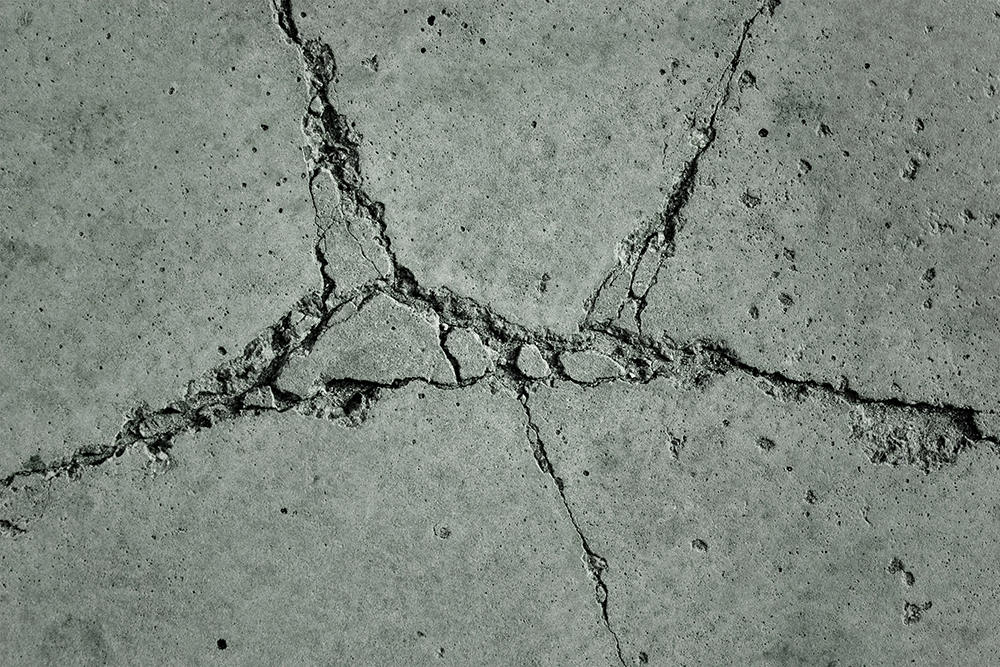
Ideally, you want to catch the problem before it starts so that you don’t have to worry about foundation repair later on. The most common problem with slabs is cracking and shifting. These problems can be due to soil movement, shrinkage of the concrete, or extreme temperature changes.
Slab Foundations FAQ
Are slab foundations better?
There are plenty of good houses built on slabs, but plenty of bad ones are also built. The key is to ensure the concrete slab is constructed correctly and that soil conditions and drainage around it are adequate.
How long do slab foundations last?
There is no absolute answer because so many factors go into determining the answer. If it's loam soil with no water running under the foundation, it could last a very long time. If it's clay soil with lots of water under the foundation, it could fail in a few years.
What are the 3 types of foundations?
- Slab foundations
- Crawl space foundations
- Pier and beam foundations