
A slab leak is a water or drain line under your concrete foundation that has failed and is releasing water into the soil beneath the house. You cannot see it, which is the whole problem. The signs show up somewhere else, and most of them look like something other than plumbing.
In Central Texas this matters more than it would in most places, because of what the escaping water does to the ground the house is sitting on. This post covers what to look for, how a leak is confirmed, and who fixes what.
The Signs Worth Knowing
No single one of these proves a leak. Several together are worth taking seriously.
- A warm patch on the floor. A hot water line leaking under the slab heats the concrete above it. People often notice it barefoot before they notice anything else.
- Running water you cannot account for. Turn every fixture off, stand still, and listen. Water moving when nothing is on is a strong signal.
- A water bill that jumped without a reason. Not a gradual creep. A step change, in a month where nothing about your usage changed.
- Flooring that has gone soft, buckled, or lifted in one area, particularly wood or laminate, with no spill to explain it.
- A persistent damp or mildew smell near floor level that cleaning does not resolve.
- Low water pressure across the house, when the pressure loss is on the supply side.
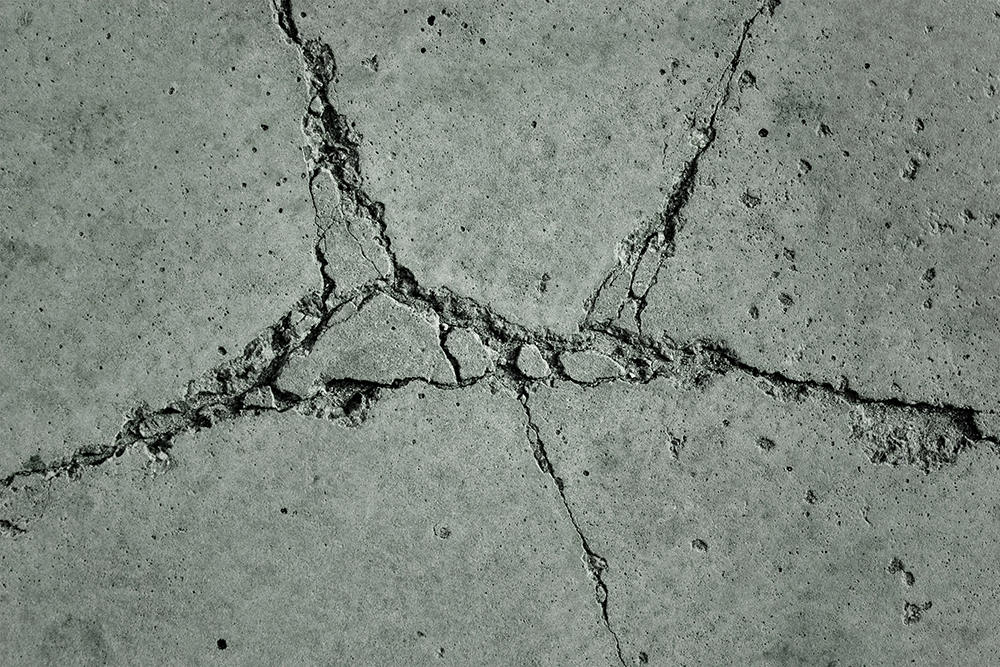
- Cracks appearing or widening in one part of the house rather than generally, especially if they arrived over months rather than years.
That last one is where a plumbing problem starts presenting as a foundation problem, and it is the reason we write about this at all.
This Is Not The Same As Water Seeping Up Through Your Slab
These two get confused constantly, and they are different problems with different causes and different fixes.
A slab leak is water escaping from a pipe under the foundation, and it happens whether or not it has rained. Water coming up through the surface of a slab after a storm is usually groundwater and hydrostatic pressure finding its way through the concrete, and it tracks the weather. If your symptoms only appear after heavy rain, you are more likely looking at the second thing, and water seeping through a slab covers that case specifically.
The quick test is timing. A slab leak does not care what the sky is doing.
Why A Leak Under A Slab Is A Foundation Problem Here
Austin sits on Blackland Prairie clay, and clay changes volume with moisture. Wet clay swells. Dry clay shrinks. That shrink-swell cycle is why foundations move in this area at all.
A leaking line under the slab delivers a constant, local water supply to one patch of that clay. Through a dry Central Texas summer, the rest of the lot is contracting while that one patch stays saturated and swollen. The house ends up being pushed up in one area and dropped in another at the same time, which is considerably harder on a structure than uniform movement in either direction.
This is why a slab leak that has been quietly running for a year can produce damage that looks like ordinary settlement but is not. The soil is not the root cause. The pipe is.
How A Leak Gets Confirmed
Suspicion is not diagnosis, and this is not something to guess at before anyone breaks concrete.
For drain lines, a hydrostatic plumbing test is the standard answer. The system is isolated at the cleanout, plugged, and filled with water, and the level is watched to see whether it holds. It is deliberately simple, nothing is excavated to run it, and the result is binary. We have written up what a hydrostatic plumbing test involves in more detail, including why a passed test within 60 days is what validates a slab warranty.
Pressurized supply lines are located differently, usually by pressure isolation and acoustic or electronic leak detection. Either way the work is done by a licensed plumber, because it is plumbing.
Who Fixes What
Worth being direct about this, because the two jobs get bundled together in people's heads.
The leak itself is plumbing work and is repaired by a licensed plumber. We do not perform plumbing work, so it is not something we bid on or profit from. What we do is assess what the leak did to the foundation once the water source is dealt with.
Those are separate questions and they belong in that order. Repairing foundation movement while a line is still leaking means stabilizing a house against a water source that has not been turned off. The leak gets fixed first. Then the movement, if there is any, gets measured and addressed.
Sometimes the answer after a leak is repaired is that nothing structural is needed. That is a real outcome and we will tell you so.
What To Do If You Suspect One
In rough order.
- Check the meter. Turn off everything in the house that uses water, then watch the meter for movement. Movement with nothing running is a strong indication.
- Call a licensed plumber for detection and repair. This is their scope, not ours.
- Once the leak is repaired, have the foundation looked at if you have seen cracking, sloping floors, or doors that stopped working during the period the leak was running.
- If a slab repair follows, keep the 60 day window in mind. A passed hydrostatic plumbing test inside that window is what makes the slab warranty valid, and the warranty is void where adverse drainage conditions are present.
The Part People Wish They Had Known Sooner
The cost of a slab leak is rarely the pipe. It is the months or years the water spent reshaping the soil under one corner of the house before anyone noticed. A leak found early is a plumbing bill. The same leak found years later can be a plumbing bill plus a foundation that has moved.
None of the signs above is dramatic on its own, which is exactly why they get explained away. A warm floor gets attributed to sun through a window. A higher bill gets attributed to a hot month.
If two or three of them are true at once, get the plumbing checked. If the house has also started moving, a foundation inspection will tell you what that movement amounts to. On site inspections are free for homeowners with no obligation, and real estate agents are billed for inspections separately. When the plumbing side is settled and you want the structure looked at, contact us.